


Demo Spellbook, get an Oura Ring 5*
See how Spellbook helps legal teams draft contracts faster than ever before.
Book Demo

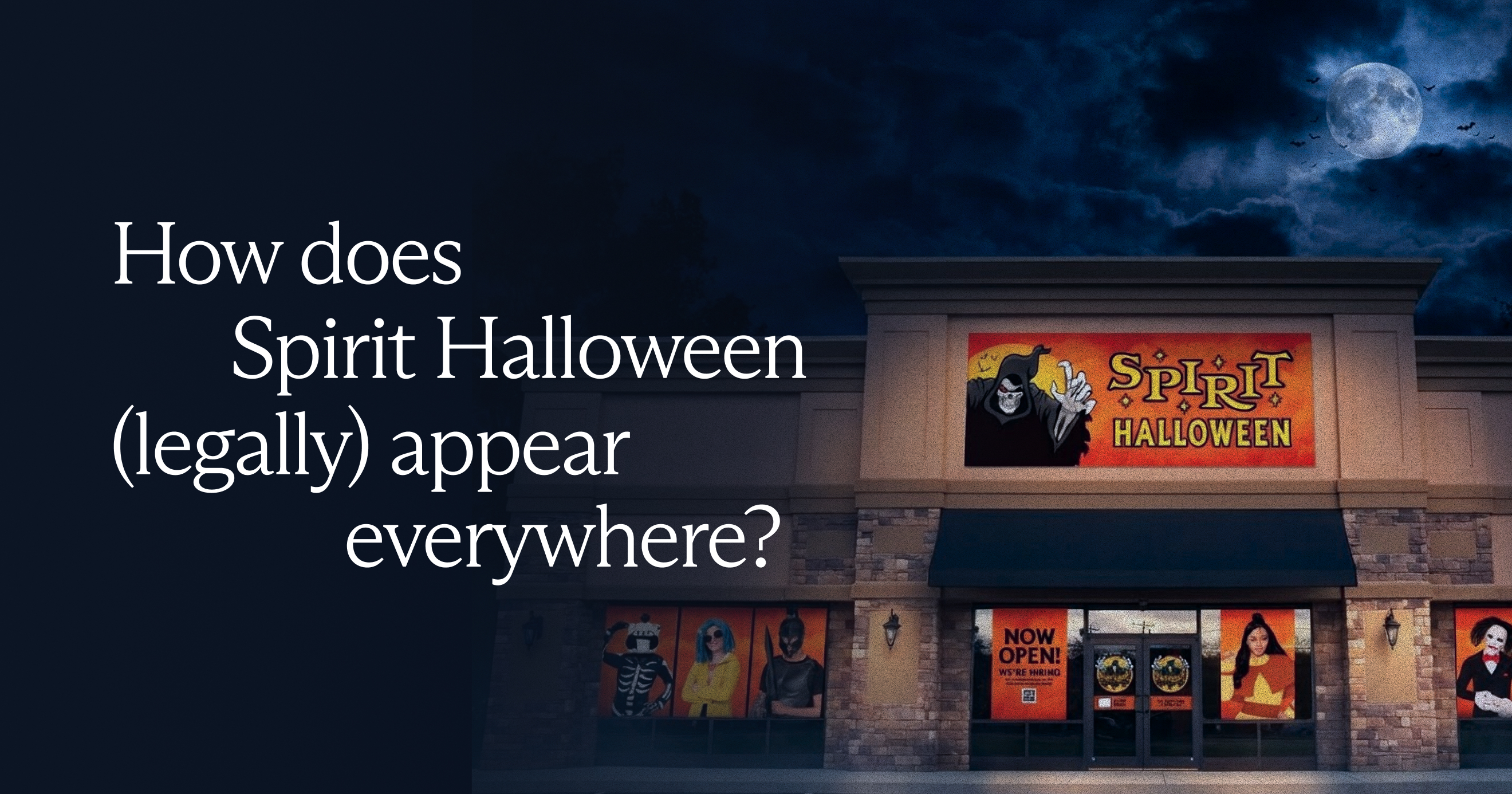
Every fall one of the strangest disappearing acts in retail happens: Spirit Halloween.
Founded in 1983, Spirit had just 63 stores when Spencer’s acquired it in 1999 (yes, the store that sold gag gifts and lava lamps galore at the mall). Today, starting in mid-to-late August more than 1,500 stores start to materialize across the country on a rolling basis with a majority of them open across the US and Canada by late September to early October and inhabiting the form of some previous big box retailer that didn’t survive. An Axios analysis found 153 Spirit locations in former Joann stores, 103 in former Big Lots and 100 in former Party City locations.

But before all the scary animatronics start screaming and the fake cobwebs adorn your favorite now defunct Big Lots, something spooky has to happen behind the scenes: a whole lot of contracts.
Since Spirit’s entire business model hinges on turning vacant retail into temporary costume haunting grounds, the company starts to actively scout high-traffic areas for locations ranging between 5,000 to 50,000 square feet. And unlike your neighborhood Walgreens or really any typical retailer, Spirit doesn’t need to lock-in a 10 year lease. Instead, they just need about 3 months.
Spirit says its ideal lease runs from mid-July through mid-November, giving teams enough time to transform an empty storefront and sell an ungodly amount of fake blood before completing their disappearing act. The arrangement also includes a kick-out clause, so if a landlord finds a permanent tenant before June, they can terminate the agreement early, preventing the Spirit from haunting the empty storefront come July. If you think about it, it’s a fitting temhporary contract for a deliberately temporary business.
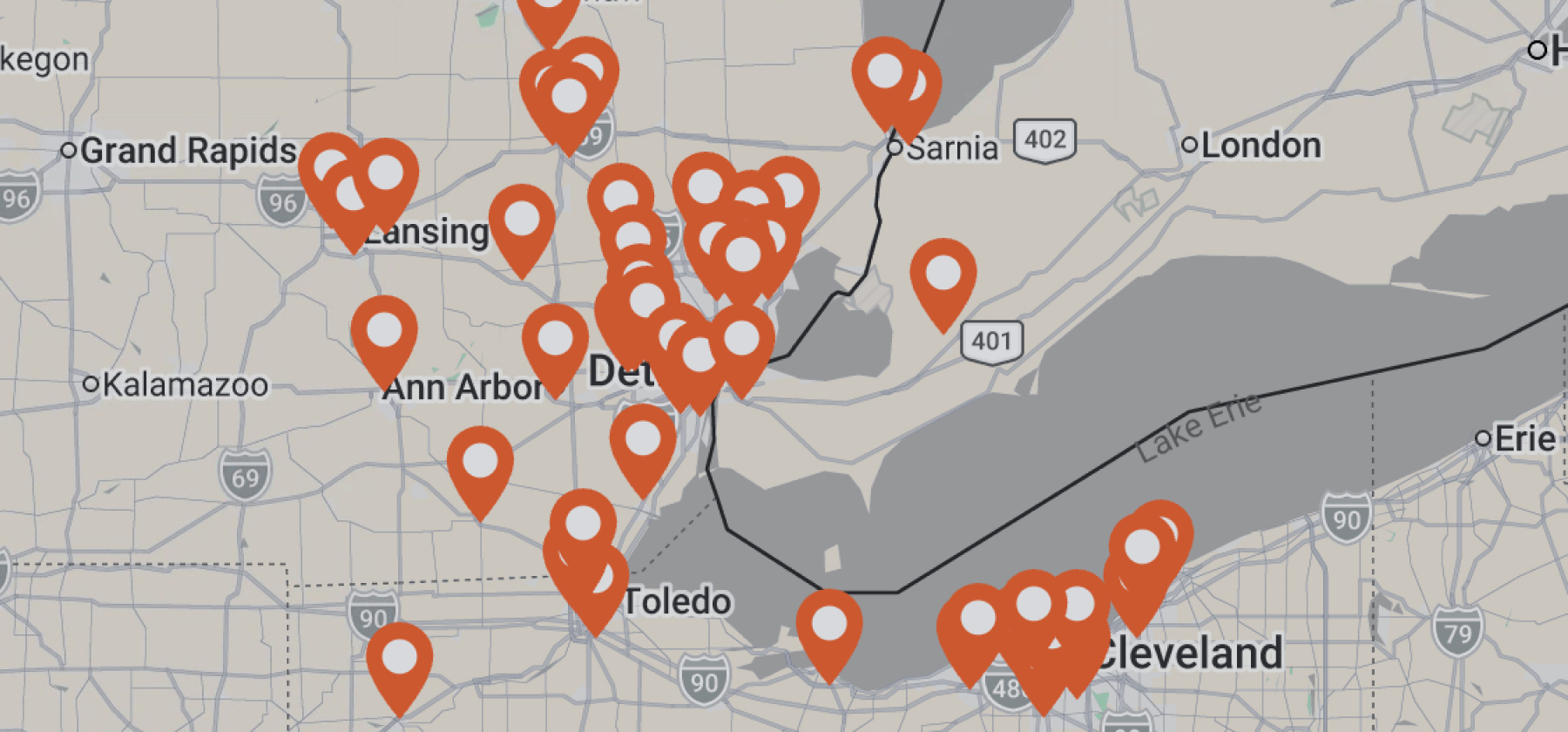
Now imagine doing some version of this roughly 1,500 more times. This means each location can come with a new landlord, another negotiation, and another agreement that most likely has to be executed on a compressed timeline. The lease though, that’s only part of the operation. Every Spirit Halloween has an entire network of agreements supporting the full-time employees, more than 50,000 season workers, the products, logistics, vendors, and service providers required to turn an empty Joann’s into a functioning three month retailer.
This is what makes Spirit Halloween so interesting. With contracts a lot of times we only notice the thing or end result they make possible. We see a Spirit Halloween where a Party City used to be, but we don’t realize the negotiations and agreements that allowed someone to unlock the doors in July, start filling the building with costumes by September, and then hand the keys back in November. But it doesn’t stop there. The unsold bodies of merchandise are inventoried, boxed up, and then shipped back out. Ready for their second-coming the following Halloween. Now that’s some scary good logistics.
So, while the costumes may be scary, the contract operation behind getting them on the shelves may be even scarier. Who knew making 1,500 stores appear and disappear every year could be such a massive legal operation.
The world runs on contracts. Even for ones selling the dream 6 feet under.




Submission Received
Thank you for your interest!

